RCEM’s Safe to Care Report: Supporting NHS Staff After Workplace Violence
When a confrontation in an emergency department has settled, attention quickly returns to the patients waiting for care. The member of staff who was threatened or assaulted may be back at work too, even while they are trying to take in what happened. A manager’s response at that point can help them explain what they need and feel confident that the incident will be taken seriously.
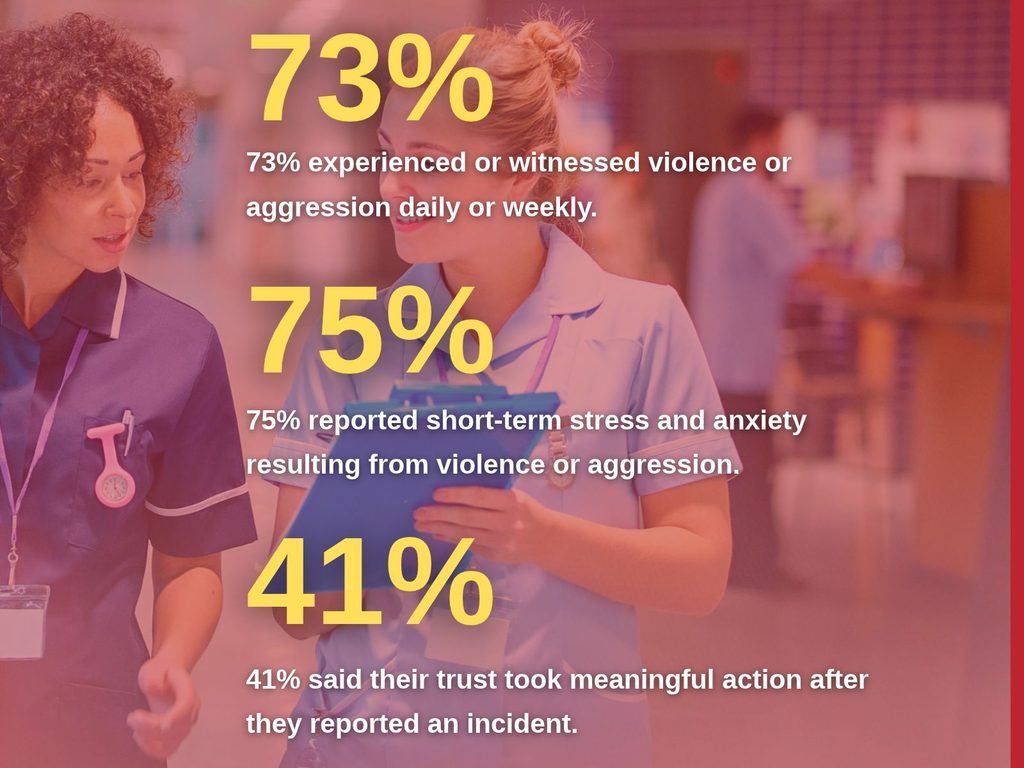
The Royal College of Emergency Medicine’s September 2026 Safe to Care briefing gives a troubling picture of those experiences. In a UK-wide survey of more than 2,100 emergency department staff, conducted in April and May, 73% of respondents said they experienced or witnessed violence or aggression daily or weekly, while 75% reported short-term stress and anxiety as a result. Just 41% said their trust took meaningful action after they reported an incident.[1]
For the person who has submitted a report, the response needs to be something they can recognise. They may have no way of knowing what is happening unless somebody tells them, and even where an investigation takes time, a conversation about who is handling it and what happens next can help them understand how their concerns are being addressed.
What support looks like after an incident
A helpful first response begins with the person’s immediate needs – Once the situation is safe, that may mean arranging care for an injury, finding somewhere quieter to sit or discussing whether they need a break from clinical duties. The conversation should allow room for different reactions, including someone who wants to talk and someone who needs time before they can explain how they feel.[2][3]
RCEM’s toolkit separates immediate support from the later review of an incident. Where a prompt team debrief is appropriate, its focus should be support and a shared understanding of what happened, with detailed analysis reserved for a subsequent review.[2] Keeping those purposes clear gives someone seeking help room to describe their needs before the team examines events in detail.
Nick Attard, General Manager at BR Specialists, says:
“If someone tells you they have been threatened, take a moment to ask what they need. They may want help with the report or be worried about their next shift. Agree who is going to help, explain what happens next and check back with them, so they know there is somebody they can come back to.”
Practical help also matters when recording the incident. HSE identifies fear of blame, complicated procedures and the belief that nothing will happen as reasons people may not report workplace violence. Making the process easier and showing that reports lead to action can help address those barriers.[3]
The following prompts bring the guidance into a form managers can use alongside their organisation’s procedures.[2][3]
| Stage | A supportive manager’s response |
|---|---|
| Immediately afterwards | Check safety, injuries and immediate support needs; arrange appropriate assistance. |
| Recording what happened | Help the person use the local reporting process and explain who will handle the report. |
| Before the next shift | Discuss any concerns about returning and consider support or adjustments where needed. |
| As the review progresses | Provide appropriate updates and explain available occupational health or wellbeing support. |
| When actions are agreed | Tell those affected what has changed and feed relevant learning into procedures and training. |
Someone may need support before returning to the same working environment, while another colleague may want to know whether a concern they raised has been investigated. Agreeing a named point of contact gives each person a way to ask questions, and regular updates can keep them informed without disclosing confidential information about others.
Using the experience to improve preparation
A later review allows the team to examine the circumstances more fully. If colleagues struggled to reach someone who needed help, for example, the discussion should establish what got in the way and what needs to change. Looking at access, communication and the availability of assistance gives the organisation a more useful basis for action than treating every incident as an individual’s difficulty to manage.
RCEM’s wider recommendations address overcrowding, staffing pressures and security alongside training.[1] Those conditions belong in the discussion, particularly where a review reveals that staff were working in an environment which made it difficult to respond safely.
Working with NHS teams is a cornerstone of what BR Specialists does, and that experience informs the situations we explore in training. An emergency department, a ward and a community service each present different circumstances, so preparation needs to reflect the people, responsibilities and working environment involved.
RCEM’s toolkit recommends regular training in de-escalation and breakaway skills, with trauma-informed care central to the approach.[2] Within a local training programme, incident reviews can also help identify scenarios worth practising: recognising escalation, communicating concerns, requesting assistance and understanding how colleagues will respond.
If a review identifies a difficulty in getting help, staff should be able to see how that concern has been addressed and have an opportunity to practise the revised response. Returning to the people who raised it also gives them a chance to say whether the change is workable, particularly where they are the ones who will use it on a busy shift.
For a healthcare manager reviewing their approach, a recent incident offers a practical starting point: what support did the person receive, who kept in touch with them and what happened as a result of their report? Looking at those questions together can reveal where the process needs attention.
If you are reviewing PMVA, conflict management or breakaway training for your healthcare team, contact BR Specialists to discuss training that reflects your setting, local procedures and the situations your staff encounter.
References
- Royal College of Emergency Medicine, September 2026. Safe to Care: Violence and Aggression against Emergency Department Staff. Survey conducted April and May 2026.
- Royal College of Emergency Medicine, September 2026. Toolkit for the Prevention and Management of Violence in the Emergency Department. See training and post-incident management sections.
- Health and Safety Executive. Reporting and learning from incidents. Guidance on workplace violence, reporting and staff support.